Supremo – Twenty Years of Family Business, Quality, and Zero Compromises
Written by ResiUpdated on Jan 03, 2026
I strive to keep all content fresh, but details may change
In Unterhaching just outside Munich, a family operation run by siblings and their dad has spent two decades refusing to compromise on quality, even when it nearly broke them. Supremo pioneered specialty coffee in Germany before most people knew what “specialty” meant. They built Comandante grinders when everyone said there was no market for it. They bought a farm in Costa Rica and planted the trees themselves. For Raphael Braune, his sister, and their dad, every challenge presented an opportunity. This is the Roaster Story of Supremo.
The Making of Supremo
“The first touchpoint was a small coffee roastery near us where we lived in California,” co-founder Raphael told me. His family had relocated to the US in the 1990s, where he went through high school. There was this little roaster in a nearby mall, and their coffee just tasted better.
Raphael came back to Germany for his civil service, figuring he’d return to California eventually. “I never had the plan to live in Germany because I felt very comfortable in California.” But he ended up staying to study graphic design. His older sister had been a barista in college and had some connections in coffee roasting. The family got a taste of specialty coffee in California. Back in Germany, around 2005, that didn’t really exist.
“My sister and my dad got together and said, wouldn’t it be cool to have a small specialty coffee roastery like we know from the US?” Needing a thesis for his diploma, Raphael took the idea to form a roastery as his topic. “I worked on the CI, website, packaging, everything really.” That same year, Supremo started roasting.
The trio found an old workshop building scheduled for demolition in two years. Raphael, who had a graffiti background, spray-painted “Kafferösterei”, which is German for coffee roastery, on the outside wall. “I can still remember when the first customers came to our shop,” Raphael said. “I had just printed the label on a laser printer, cut it out with scissors, and stuck it on the bag. Then I weighed the bag with a letter scale and sealed it with a hand clamp.” Then a person walked in. A stranger. And they wanted to buy it. “That person laid down their hard-earned money to buy our product. That’s such an incredible feeling.”
They learned to roast by going abroad as the knowledge available in Germany at the time was limited. They took courses with the Specialty Coffee Association of America and joined a Cup of Excellence in their first year to source transparent, high-quality beans directly from farmers. “We said from the beginning, we want to be fair trade, we want to be organic, and we want the best quality. But then along the way we realized, what would even be better is to go to origin and buy the coffee directly. In 2005 Germany, that was radical thinking”, Raphael remembers.
Bernd and Raphael Braune at Woc in Athens
The Quality Standard: Test Everything
2006, their first full year, Supremo won a Feinschmecker award as one of the best roasteries in Germany. “We said, we want to approach this operation analytically. Every roast at our place gets tested. There are no occasional checks, we test everything we do all the time. Every single roast.” The family was fully committed to their motto: “Work hard, stay humble, and enjoy good coffee.”
The Next Chapter: Comandante Manual Grinders
iAround 2009-2011, Supremo had a problem. They were sourcing exceptional coffees like Cup of Excellence winners or direct trade beans from farmers they knew personally, but when customers asked how to brew them at home, they had no good answer. “There was no manual grinder on the market where we said, hey, we’re happy to recommend it” Raphael explained. So they decided to build one themselves. Every existing grinder manufacturer said it wouldn’t work. No market. Too expensive. “My dad and I believed in really good craftsmanship, so we did it anyways. We knew it could cost a bit more, but we wanted to create something truly excellent.” The first prototypes were ready in 2011. Raphael brought one to a Cup of Excellence event and started making coffee in the morning. His friend Nolan Hirte from Proud Mary in Australia got curious: “Wait, wait, what is that?” “It’s a prototype grinder from us”, Raphael replied. “Hey, if you really build that, I’ll sell it in Australia.” First international customer, secured.
Then the challenges started to pile up. Suppliers couldn’t deliver the quality they needed. Parts weren’t accurate enough. Months went by, and the family was burning through their funds. “I honestly couldn’t hear the name Comandante anymore,” Raphael admitted. “I said, I don’t want to anymore, I’m done.” Being a family business saved them. “Someone always pulled the other along. Hey, come on, we’re doing this. We’re not quitters, we’ll see it through.” Finally, they decided to do everything in-house. Today, Comandante produce the grinders from start to finish completely by themselves. They’re the world market leader in hand grinders. “I never would have thought we’d achieve that,” Raphael states looking back.
Finca Dona Elsa: Getting Their Hands Dirty
After years of visiting coffee farms worldwide, the family started thinking: “You see a lot, and you always think, hey, maybe they could try this or that,” Raphael explained. “But you don’t want to show up as a know-it-all to someone who’s growing coffee in the third or fifth generation and suggest they do something different.” In 2019, they bought a former dairy farm in the Tarrazú mountains of Costa Rica at nearly 1,950 meters elevation and gave farming a go. They chose varieties carefully: Geisha, SL28, and ET47 are the main plantings across three parcels. Plus a variety garden for experiments. “We thought maybe there’s a plant that works really well here that nobody’s thought of yet.” The Braune family planted the trees by hand. “That makes the whole thing even cooler. Drinking that coffee is something so special because I put those plants in the ground myself.” When COVID hit. They couldn’t travel. Some coffee farmers they’d worked with for years took care of the farm. “That really wouldn’t have worked without our friends on site.”
The first harvest produced 50 kilos of coffee. By the third harvest the production rose to 350 kilos. Nowadays, the coffee is available in their shop, though Raphael admits “the coffee should actually cost much, much more for all the work we put in. But we don’t care.” They’ve also set up an export company in Costa Rica to help other small farmers get their coffee to market. “If some finance guy looked at it, he’d say, complete catastrophe, shut it down, get rid of it,” Raphael laughed. “But for us, it’s a passion project.”
Supremo’s Roasting Philosophy
After 20 years, Supremo is established and well respected. But for Raphael it doesn’t always feel that way in the specialty coffee community. Critics voice that Supremo doesn’t just do ultra-light Nordic roasts. They include more traditional roast styles in their coffee portfolio as well. That’s because Supremo want to serve everyone, regardless of where they are in their coffee journey. “We want to be inclusive with coffee varieties, growing regions, and also with customers,” Raphael explained. “We don’t want to just produce a niche product for everyone who thinks like me. We as a family want to produce coffee that brings joy to everyone.” They have six different grinders at their roastery and coffee bar in Unterhaching, from traditional to super funky. The goal is to meet people where they are. “I’m a huge coffee nerd,” Raphael said. “But dictating what is right and what is wrong in the coffee scene, I don’t like it.”
He’s now on the Board of Directors for Cup of Excellence, where they’re discussing a Robusta Cup of Excellence in Brazil. “I think it’s a great idea that we focus on quality there too. We need a different cupping profile, a different sheet. It needs different marketing. But in principle, there’s a market for it.” Supremo also works with Fazenda Venturim in Brazil, who are doing processing experiments with Robusta, like anaerobic, and yeast additions. “How could you?” people said when Supremo started offering fine Robusta. “Hey, it’s just a different plant,” Raphael countered. “You have to evaluate it differently.”
Supremo maintains a massive selection because they believe in showing coffee’s diversity. Every coffee release still crosses Raphael’s desk. He still loves going to the café and talking to customers. His morning ritual is walking through all the rooms saying hello to everyone.
They’re navigating the current market crisis like rising prices, and climate chaos, by leaning on relationships built over 15, sometimes nearly 20 years with farmers. “I’m proud that after 20 years we still work together as a family,” Raphael said. “That we’ve brought Supremo to where it is today, that we still have such great relationships with so many coffee farmers over the years. It’s really more friendships than business connections.”
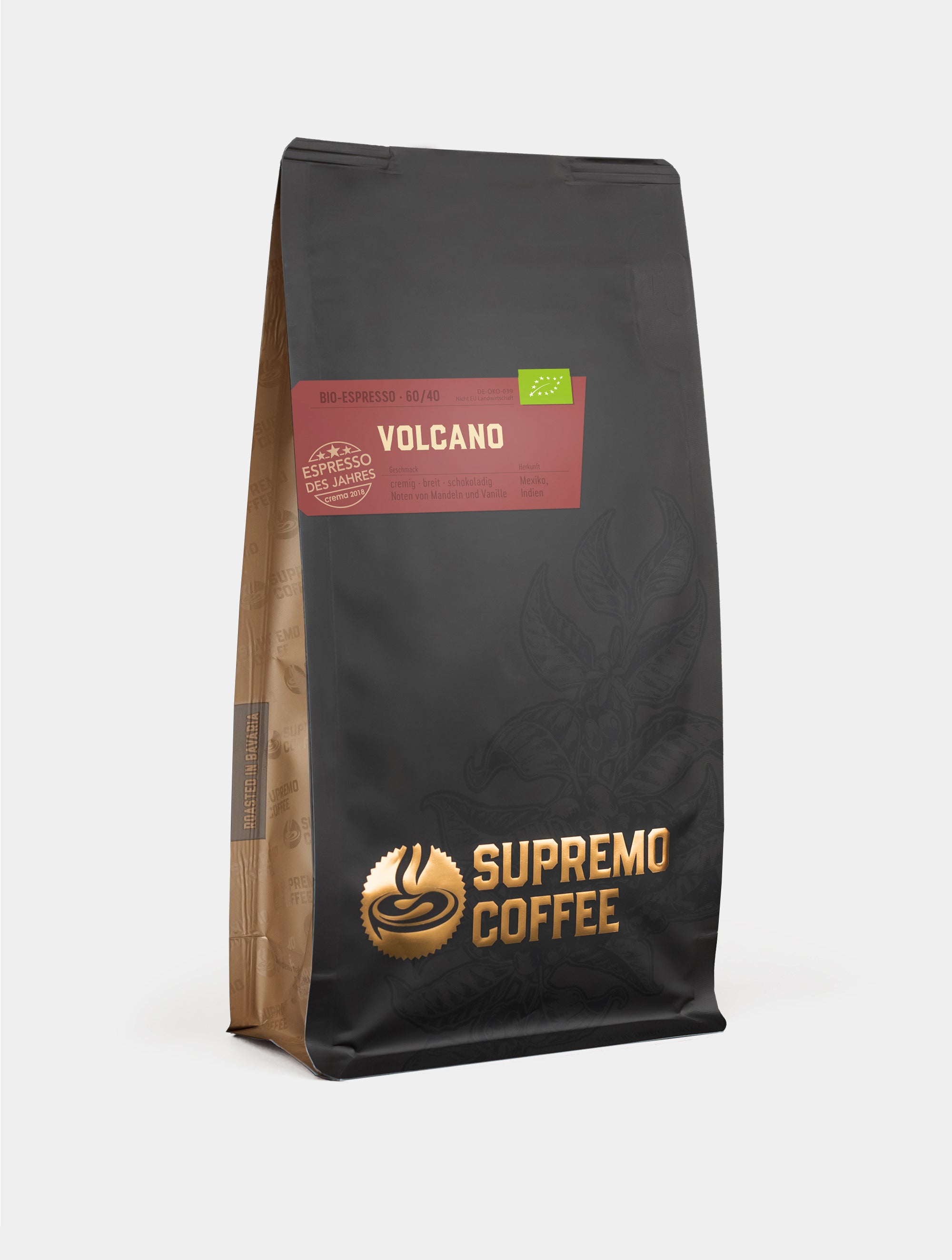
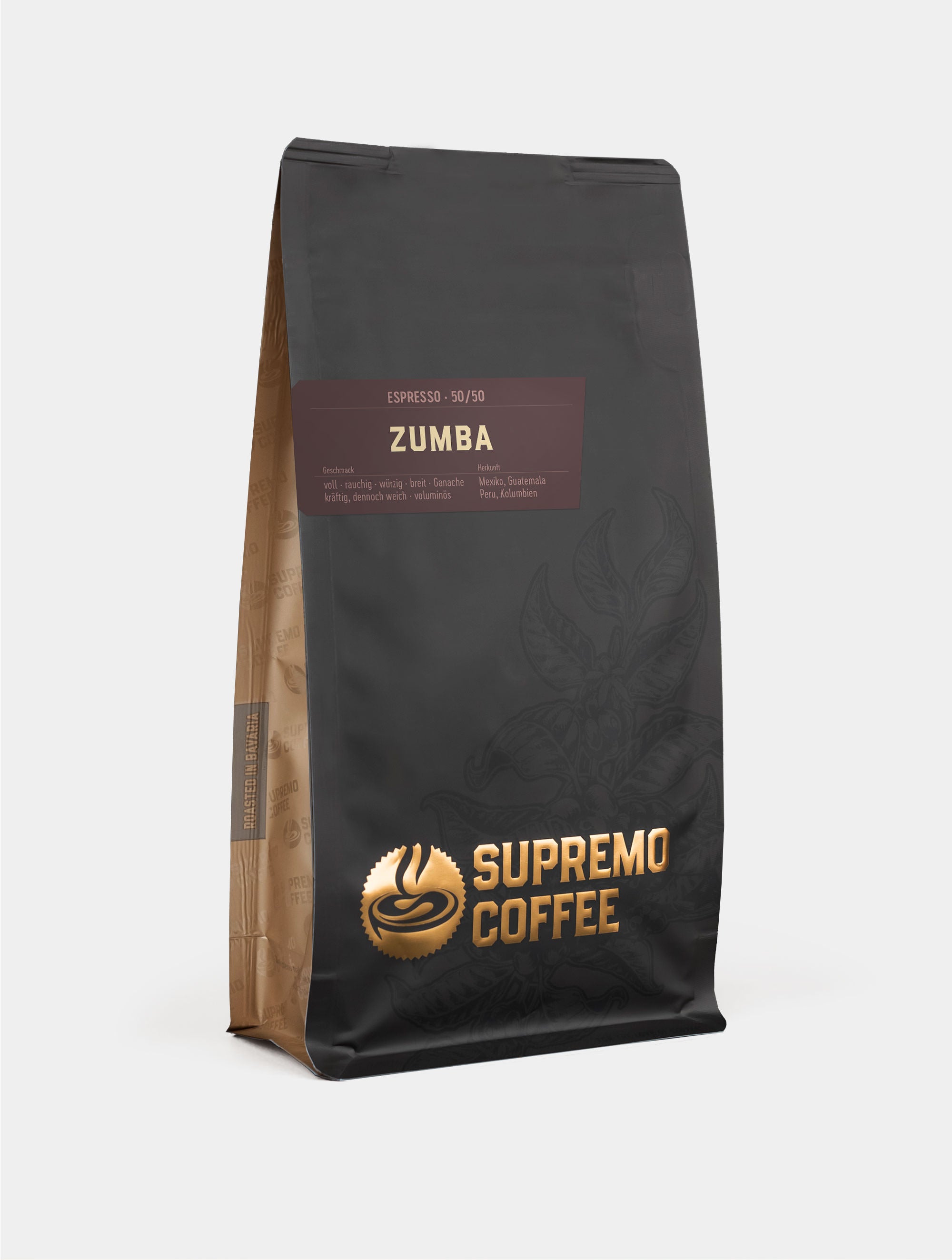
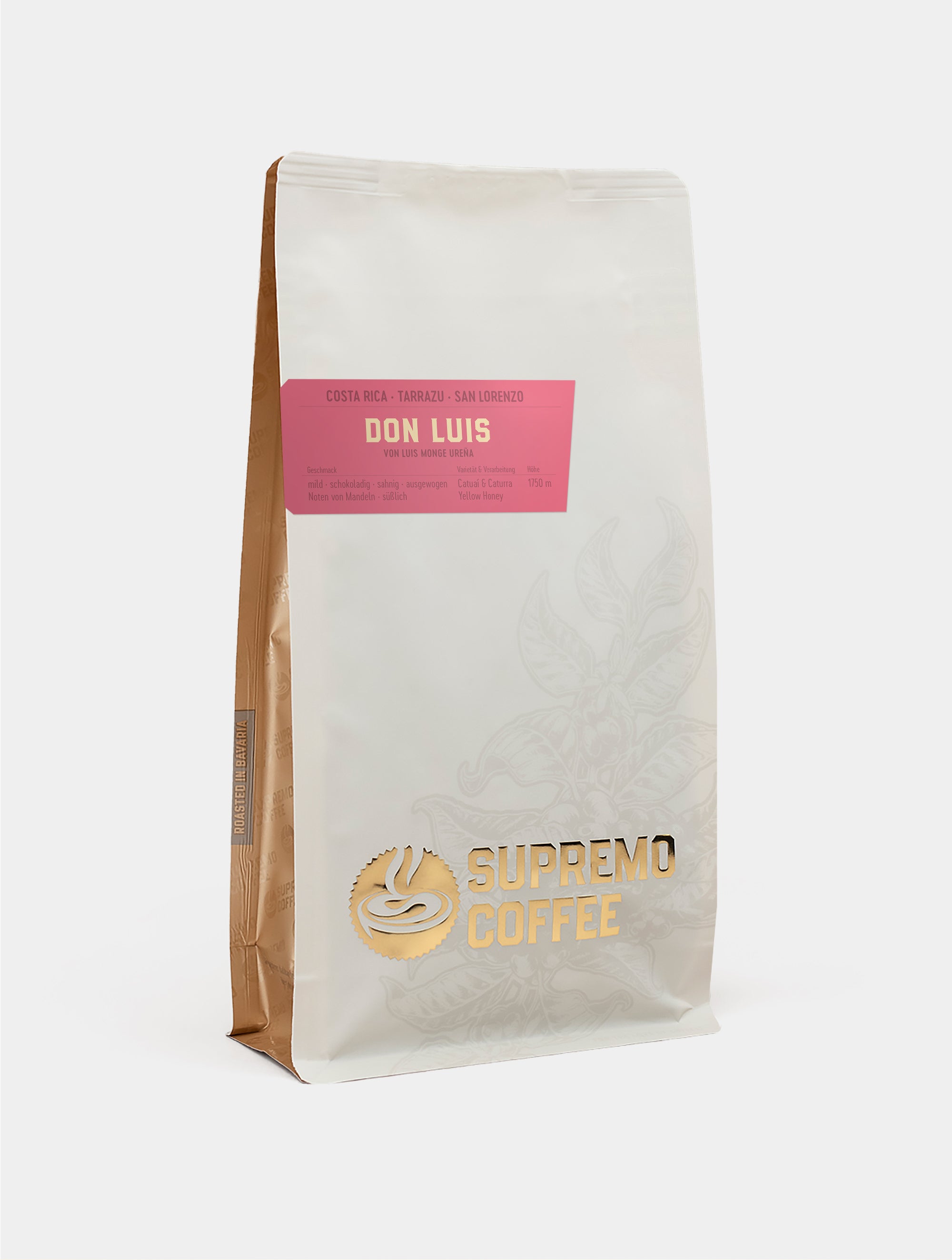
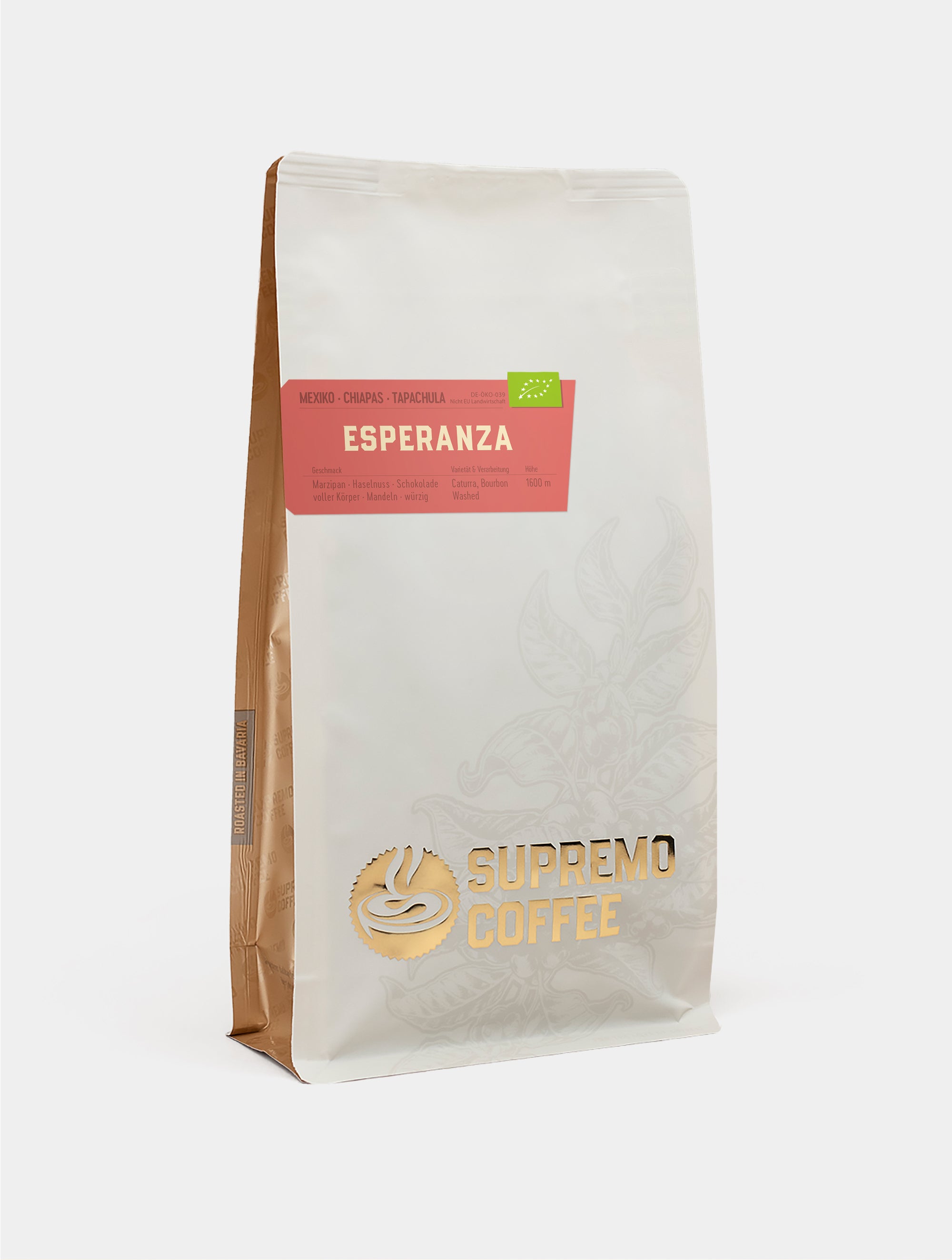
What to Try: Everything! But Raphael’s personal favorites lean toward Ethiopian and Kenyan coffees plus their own Costa Rican beans from Finca Dona Elsa. Check out their full portfolio here.
 Written by
  Updated on Jan 03, 2026
 I strive to keep all content fresh, but details may change