Logo The Way To Coffee

Why Colombian Beans Taste Better: A Deep Dive into Coffee Producing Regions of Colombia

Author Written by Resi Calendar Updated on Dec 22, 2025 Note I strive to keep all content fresh, but details may change

When we think about Colombia we instantly make the connection to coffee. In a world full of options, why has Colombia remained the default setting for quality in our collective imagination? The reason we trust Colombian coffee is rigurous quality control. Through Fedecafé (formally known as National Federation of Coffee Growers of Colombia), the country enforced strict standards on grading, washing, defect tolerance, and moisture content. Coffees failing standards were often diverted to domestic consumption. The goal was that when someone bought Colombian coffee, it had to taste unmistakably Colombian every single time. While that system flattened diversity, it also built trust at a global scale. Importers, roasters, and consumers knew exactly what they were getting. Colombia a global benchmark for clean, consistent Arabica coffee. And even though that’s no longer how the market works as more diversity emerged with specialty coffee post-2000s, the trust in Colombian coffee is unbroken.

On top of that, Colombia is geologically engineered by nature to produce the perfect bean. We are talking about a country that sits right on the equator but is split down the middle by the massive Andes mountain range. This creates rare micro climates and tropical sunlight mixed with high-altitude chill. It puts the coffee trees under just enough stress to produce a dense, sugar-packed bean. But Colombian Coffee can’t be defined in one flavor profile. A cup from the southern volcanoes of Nariño tastes nothing like a that from the northern coast. So, let’s look past the reputation. Here is how history, altitude, and soil come together to create the world’s most famous cup.

colombia origin country for coffee

The Secret Sauce: Why Colombian Coffee Tastes Better

Three specific factors contribute to the reliable flavor of Colombian Coffee:

  1. Colombia has historically prioritized Arabica.
  2. Colombia sits right on the equator but has massive mountains. This allows coffee to grow at 1,200 to 2,200 meters above sea level while staying frost-free. High altitude and cooler nights make for slow ripening. Slow ripening means the bean absorbs more sugars.
  3. Most Colombian coffee is washed (the fruit is stripped off with water before drying). This processing method creates a flavor profile that is clean, and consistent.

A Quick History Lesson About Coffee Production in Colombia

Jesuit missionaries brought the first Arabica trees to Colombia in the early 1700s. For a long time, it was just a garden crop. The first time Colombia actually made a splash on the global scene was in 1808, when 100 bags of green coffee were exported from Cúcuta. The Thousand Days’ War (1899–1902) devastated the massive, rich-landowner plantations. In the aftermath, the industry democratized. Production shifted to the colonos, which are small family farmers in the highlands. Today, approximately 500,000 to 560,000 families working small plots of land (often less than 5 hectares) are the backbone of Colombian coffee.

Coffee Producing Regions of Colombia

colombia origin country

The Coffee Triangle (Eje Cafetero)

If you look at a map of Colombia, smack in the center-west is the so called Coffee Triangle. It’s made up of three departments: Caldas, Quindío, and Risaralda. In 2011, UNESCO declared this area a World Heritage Site, calling it the Coffee Cultural Landscape. It’s that important. When I visited coffee farms in the region I tasted nutty, sugary coffees produced by proud small-scale farmers who still roast and brew much of what they consume the traditional way.

colombia origin country
The Terroir
  • Altitude: 1,400 – 1,800 meters
  • Rainfall: Heavy (2,000–3,000 mm/year)
  • Harvests: Because of the weather patterns, they get two harvests a year here
What The Coffee Tastes Like

The Coffee Triangle produces a classic morning cup flavor that made the world fall in love with Colombian coffee.

  • Flavor Notes: Caramel, roasted nuts, and red fruit
  • Body: Medium and silky
  • Acidity: Balanced. It’s not too acidic, not too bitter
  • Best For: Espresso blends and your standard drip coffee

Quindío beans are often sweeter and more floral, while Caldas beans are known for being incredibly balanced. If you buy a bag of coffee labeled Colombian Blend, it’s likely anchored by beans from this region.

Huila

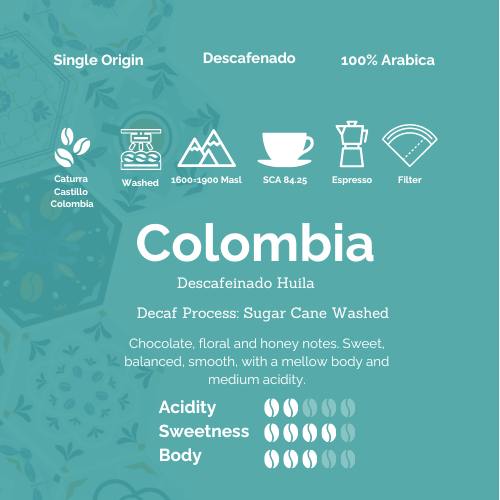
Located in the southwest, Huila is currently the largest coffee-producing department in Colombia (producing roughly one-fifth of the country’s total). It is characterized by valleys nestled between active volcanoes. The soil here is nitrogen-rich volcanic ash. Due to its unique geography, Huila has varied microclimates.

The Terroir
  • Altitude: 1,200 – 2,200 m
  • Rainfall: 1,300 – 1,650mm annually
  • Harvests: The main harvest is typically September–December in the north and April–June in the south
What The Coffee Tastes Like
  • Flavor Notes: stone fruits (peach, apricot), berries, caramel, and distinct floral notes (jasmine)
  • Body: Medium to creamy; velvety texture
  • Acidity: Bright, wine-like, and sweet
  • Best For: Pour-over (V60, Chemex) to highlight the delicate floral notes, or single origin espresso to taste the bright acidity
colombia origin country for coffee

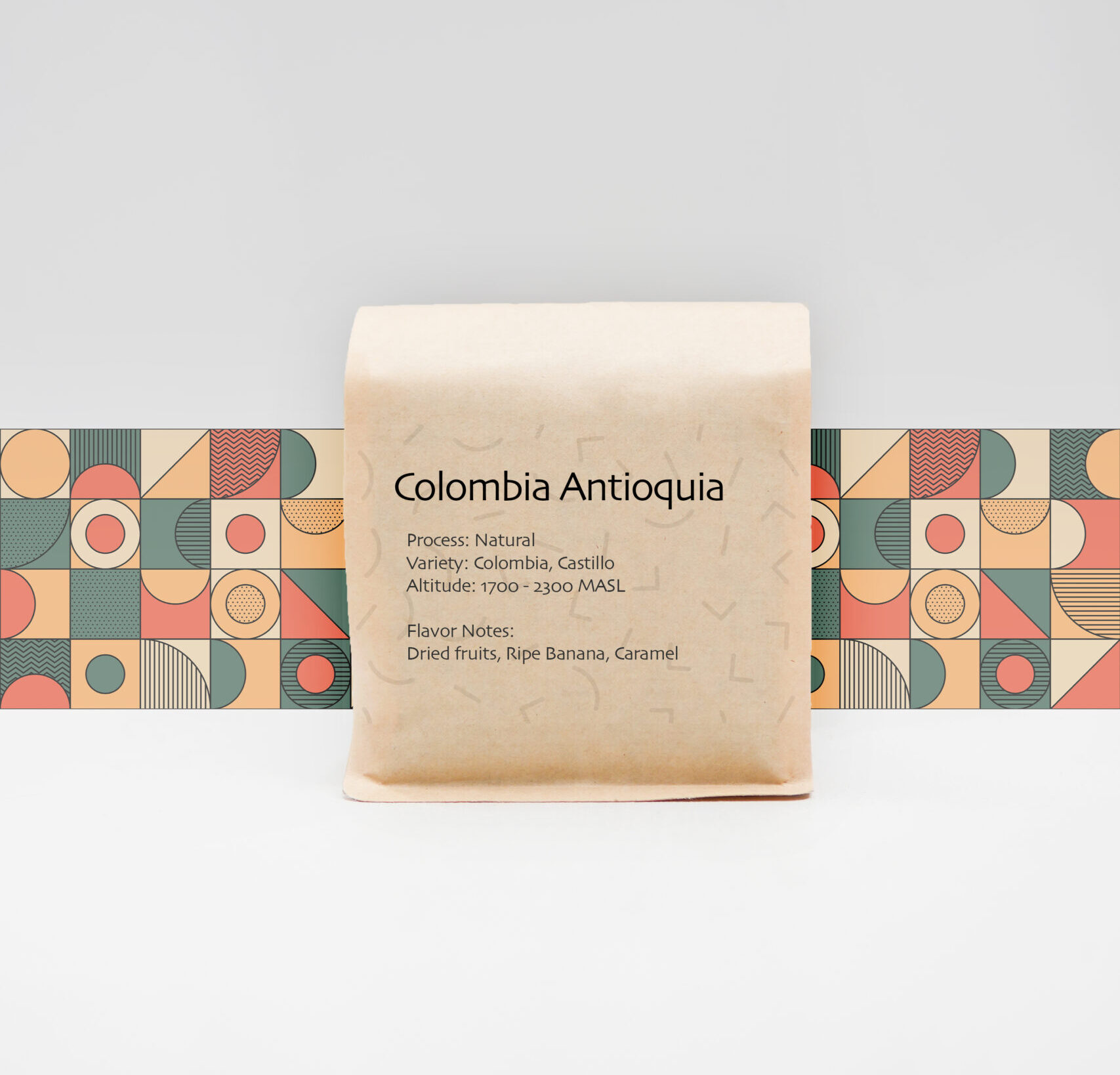
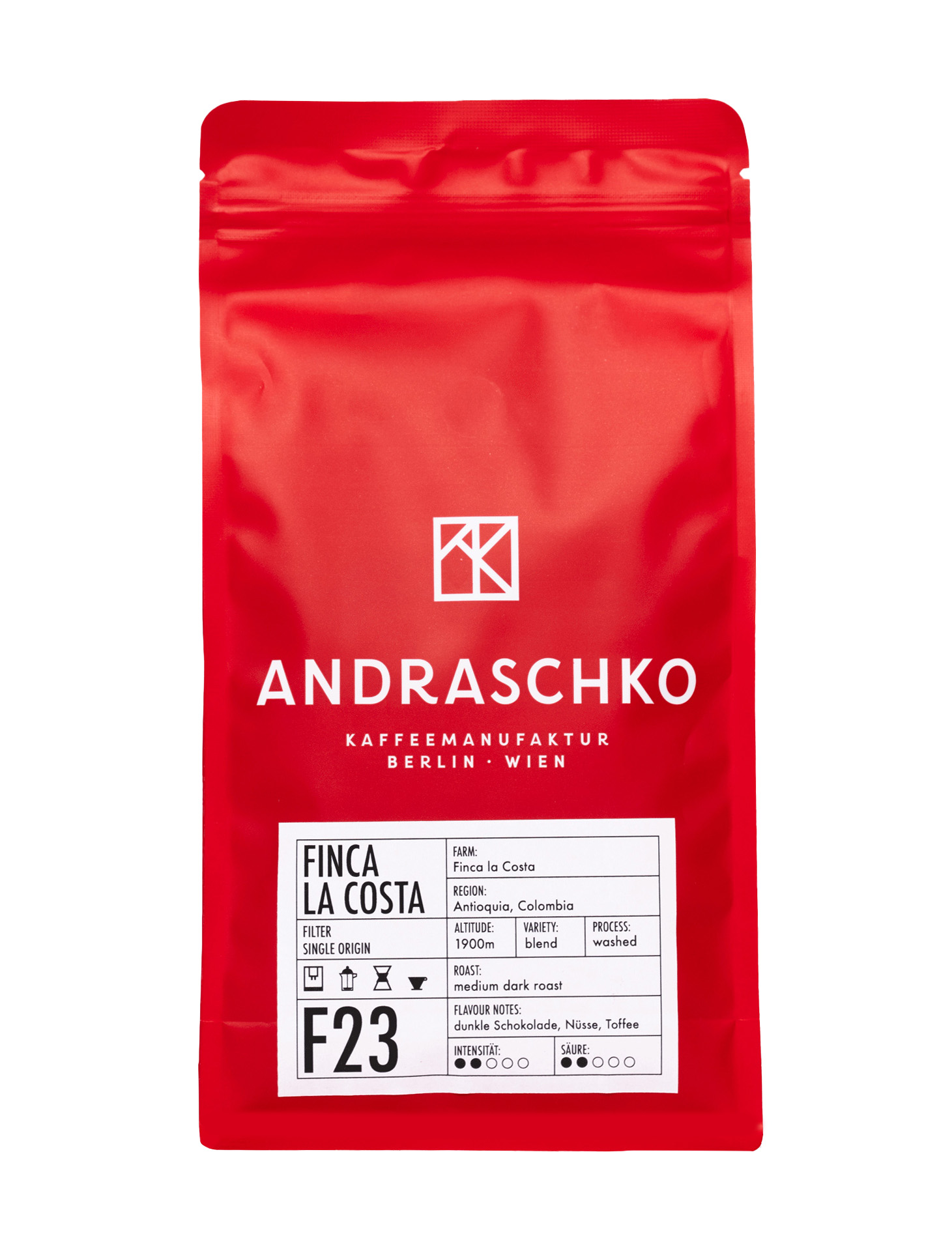
Antioquia

Home to the city of Medellín, Antioquia is a mountainous region crisscrossed by both the Central and Western ranges of the Andes. It is famous for its steep slopes and fertile volcanic soils, which produce a bean that is widely considered the quintessential Colombian cup. It is less fruity/acidic than Huila and more focused on sweetness and balance.

The Terroir
  • Altitude: 1,300 – 2,200 m
  • Rainfall: 1,500 – 2,500mm annually (slightly wetter than Huila).
  • Harvests: September to December (Main Crop) and April to May (Mitaca/Fly Crop)
What The Coffee Tastes Like
  • Flavor Notes: Dark chocolate, caramel, nuts (walnut, almond), and subtle soft fruit notes like red apple or cherry
  • Body: Medium to full, often described as round
  • Acidity: Medium, balanced and citric
  • Best For: Espresso due to the rich body and chocolate notes or a classic drip coffee for a smooth, low-acid morning cup

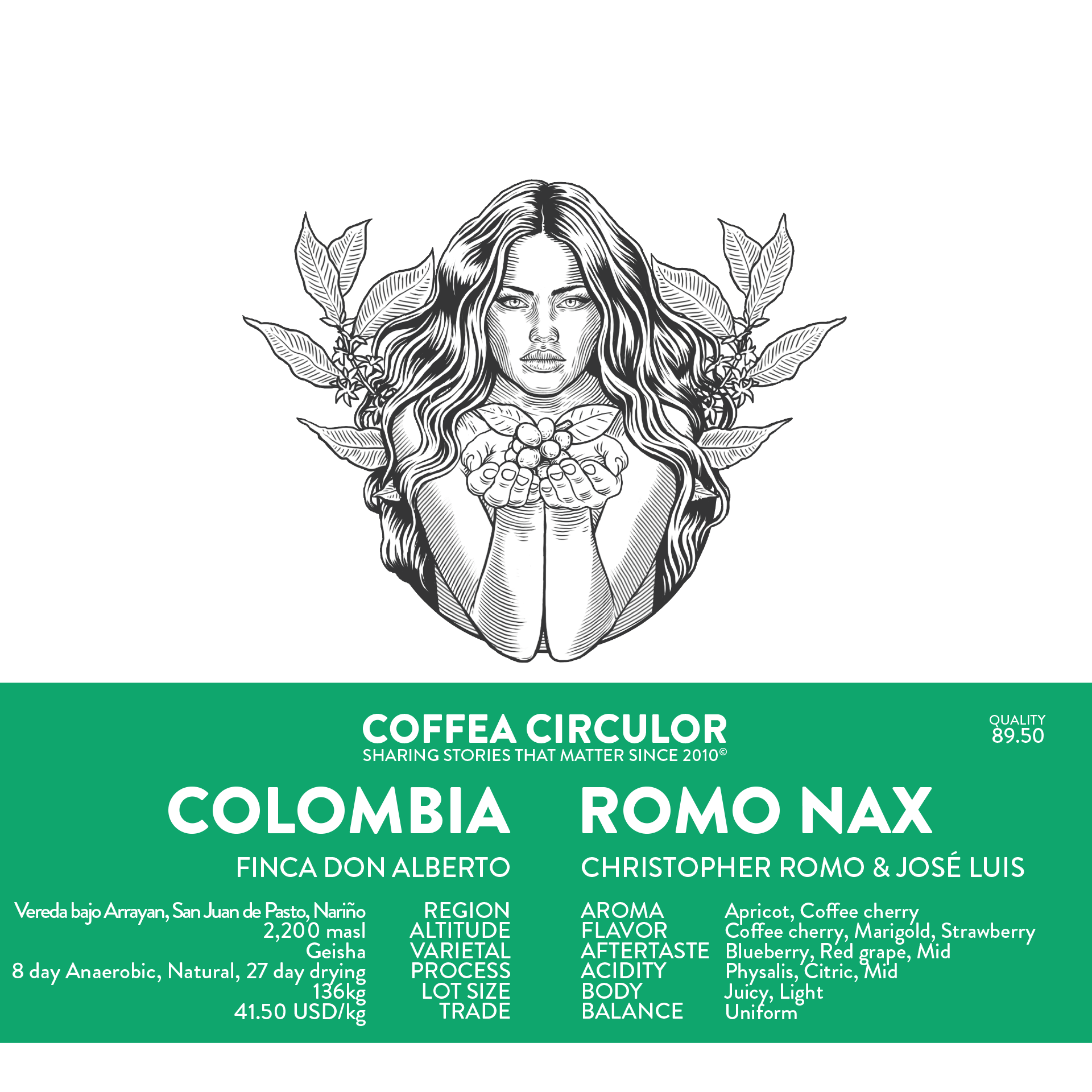
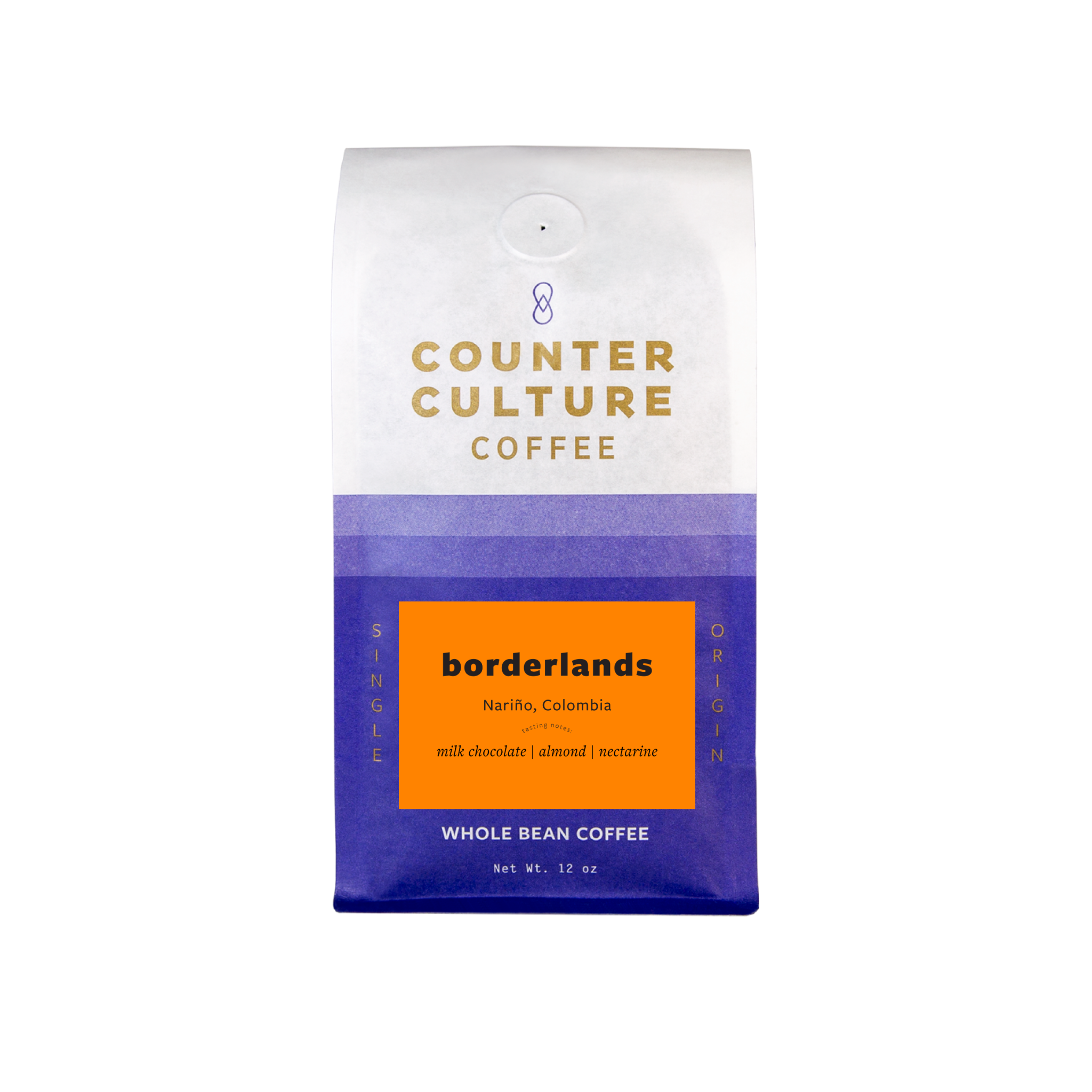
Nariño

Located in the far southwest of Colombia, bordering Ecuador and the Pacific Ocean, Nariño produces some of the world’s most complex coffees. Because the region sits so close to the Equator, coffee here can grow at incredibly high elevations. The high altitude and thermal shock from hot days and cold nights result in a bean that is dense and packed with sugar.

The Terroir
  • Altitude: 1,600 – 2,300 m
  • Rainfall: 1,500 – 2,000mm annually
  • Harvests: Main crop April – July,  unlike the northern regions, the primary harvest here happens in the first half of the year
What The Coffee Tastes Like
  • Flavor Notes: Citrus zest (lime, tangerine), honey, tropical fruits, and distinct herbal or spicy undertones
  • Body: Medium to medium-high, good viscosity
  • Acidity: Very High, sparkling, crisp, and vibrant
  • Best For: Pour-over to experience the sparkling acidity or an espresso for those who love a bright, sweet, and syrupy shot

Sierra Nevada de Santa Marta

Way up north on the Caribbean coast lies the Sierra Nevada de Santa Marta. It’s an isolated mountain range distinct from the Andes. he region is a biodiversity hotspot, and coffee here is almost exclusively shade-grown under the canopy of the native rainforest, often using traditional, chemical-free methods . A lot of Colombia’s certified organic coffee comes from here. Because of the lower growing altitudes and the shade cover, the coffee matures differently, producing a cup with much lower acidity and a heavier mouthfeel than the Andean regions.

The Terroir
  • Altitude: 900 – 1,600 m, while the mountains are massive, coffee is grown at lower elevations compared to Nariño to avoid the frost of the snowline, the coastal winds cool the beans effectively
  • Rainfall: 2,000 – 4,000mm annually, hence a much wetter, tropical rainforest climate
  • Harvests: October – February for main crop, the harvest timing is opposite to the southern regions like Nariño
What The Coffee Tastes Like
  • Flavor Notes: Dark chocolate, toasted hazelnut, walnut, and earthy spices
  • Body: Full, heavy, and round
  • Acidity: Low
  • Best For: French Press, or people who find high-acidity coffees too funky

 

Which Region Should You Buy?

Colombia offers a flavor for everyone. If you are looking to buy Colombian coffee, use this cheat sheet to find your perfect match:

  • “I want a classic, smooth morning coffee”: Look for Antioquia or Coffee Triangle (Eje Cafetero).
  • “I want something sweet and fruity”: Look for Huila.
  • “I want a complex, floral, high-acid coffee”: Look for Nariño.
  • “I want low acid and heavy body”: Look for Sierra Nevada.

More Origin Stories